Dr Shin-Young Cho
MRCP(Derm) MBBS MA(Cantab)
GMC Number: 7049678
Consultant Dermatologist


MRCP(Derm) MBBS MA(Cantab)
GMC Number: 7049678
Consultant Dermatologist
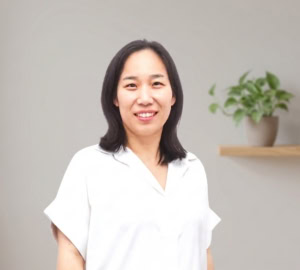
Dr Shin-Young Cho is a UK-trained Consultant Dermatologist specialising in the diagnosis and management of general dermatological conditions, skin cancer and skin lesions. She provides thorough, evidence-based consultant-led care, with particular expertise in mole assessment, dermoscopy, skin cancer diagnosis and dermatological surgery.
Dr Cho trained at the University of Cambridge and Imperial College London, followed by a competitive sub-internship in Plastic and Reconstructive Surgery at Harvard Medical School, where she achieved a distinction grade. She subsequently trained in dermatology across leading hospitals in London and the South East and was awarded an NIHR Academic Clinical Fellowship for her academic work in skin cancer and dermatology. She is a member of the Royal College of Physicians, Royal Society of Medicine and European Academy of Dermatology and Venereology.
Her practice encompasses a broad range of dermatological conditions, including acne, rosacea, eczema, psoriasis, pigmentation and hair loss, as well as the assessment and management of suspicious moles and other skin lesions. Dr Cho combines careful clinical assessment with dermoscopy and, where appropriate, biopsy or surgical treatment, with a focus on accurate diagnosis, clear communication and high standards of patient care. She has been recognised in the Tatler Cosmetic Surgery & Aesthetics Guide 2026 as an “Ones to Watch – Dermatology” and has contributed her expertise to publications including Vogue, Elle, Marie Claire, Glamour, Women’s Health, Daily Mail, and The Telegraph.
Read more...
Dr Shin-Young Cho is a UK-trained Consultant Dermatologist specialising in the diagnosis and management of general dermatological conditions, skin cancer and skin lesions. She provides thorough, evidence-based consultant-led care, with particular expertise in mole assessment, dermoscopy, skin cancer diagnosis and dermatological surgery.
Dr Cho trained at the University of Cambridge and Imperial College London, followed by a competitive sub-internship in Plastic and Reconstructive Surgery at Harvard Medical School, where she achieved a distinction grade. She subsequently trained in dermatology across leading hospitals in London and the South East and was awarded an NIHR Academic Clinical Fellowship for her academic work in skin cancer and dermatology. She is a member of the Royal College of Physicians, Royal Society of Medicine and European Academy of Dermatology and Venereology.
Her practice encompasses a broad range of dermatological conditions, including acne, rosacea, eczema, psoriasis, pigmentation and hair loss, as well as the assessment and management of suspicious moles and other skin lesions. Dr Cho combines careful clinical assessment with dermoscopy and, where appropriate, biopsy or surgical treatment, with a focus on accurate diagnosis, clear communication and high standards of patient care. She has been recognised in the Tatler Cosmetic Surgery & Aesthetics Guide 2026 as an “Ones to Watch – Dermatology” and has contributed her expertise to publications including Vogue, Elle, Marie Claire, Glamour, Women’s Health, Daily Mail, and The Telegraph.
Dr Shin-Young Cho is a UK-trained Consultant Dermatologist specialising in the diagnosis and management of general dermatological conditions, skin cancer and skin lesions. She provides thorough, evidence-based consultant-led care, with particular expertise in mole assessment, dermoscopy, skin cancer diagnosis and dermatological surgery.
Dr Cho trained at the University of Cambridge and Imperial College London, followed by a competitive sub-internship in Plastic and Reconstructive Surgery at Harvard Medical School, where she achieved a distinction grade. She subsequently trained in dermatology across leading hospitals in London and the South East and was awarded an NIHR Academic Clinical Fellowship for her academic work in skin cancer and dermatology. She is a member of the Royal College of Physicians, Royal Society of Medicine and European Academy of Dermatology and Venereology.
Her practice encompasses a broad range of dermatological conditions, including acne, rosacea, eczema, psoriasis, pigmentation and hair loss, as well as the assessment and management of suspicious moles and other skin lesions. Dr Cho combines careful clinical assessment with dermoscopy and, where appropriate, biopsy or surgical treatment, with a focus on accurate diagnosis, clear communication and high standards of patient care. She has been recognised in the Tatler Cosmetic Surgery & Aesthetics Guide 2026 as an “Ones to Watch – Dermatology” and has contributed her expertise to publications including Vogue, Elle, Marie Claire, Glamour, Women’s Health, Daily Mail, and The Telegraph.
Cho S, Singh S, Carton J, Wakelin SH. Bullous pemphigoid associated with the use of topical diclofenac. Clin Exp Dermatol 2012;37(4):436-7.
Lai C, Haddadeen C, Cho S, Fityan A, Bates A, Theaker J, Healy E. Lymphomatoid plaquosis – a CD30+ lymphoproliferative rash exhibiting a predilection for recurrence on the same skin sites. Acta Derm Venereol 2015;95(1):104-5.
Haddadeen C, Lai C, Cho S, Healy E. Variants of the Melanocortin-1 receptor: Do they matter clinically? Exp Dermatol 2015;24(1):5-9.
Lee A, Cho S, Yam T, Ardern-Jones M. Staphylococcus aureus and chronic folliculocentric pustuloses of the scalp – cause or association? Br J Dermatol 2016;175(2):410-3.
Lai C, August S, Albibas A, Cho S, Behar R, Polak M, Theaker J, Holloway J, French R, Glennie M, Al-Shamkhani A, Healy E. OX40+ regulatory T cells in cutaneous squamous cell carcinoma suppress effector T cell responses and associate with metastatic potential. Clin Cancer Res 2016;22(16):4236-48.
Thornhill J, Wallis E, Cho S, Khan P, Sivaramakrishnan A, Amin A, Orkin C. Cross-sectional analysis of invasive pneumococcal disease in a London HIV positive cohort. HIV Med 2013;14:67.
Haddadeen C, Lai C, Cho S, Fityan A, Bates A, Theaker J, Healy E. Lymphomatoid plaquosis: a novel cutaneous CD30+ T-cell lymphoma spontaneously resolving and recurring on the same skin sites. Br J Dermatol 2014;171(S1):12.
Lee A, Cho S, Yam T, Ardern-Jones M. A clinical and molecular analysis of scalp folliculitis and folliculitis decalvans. Br J Dermatol 2014;171(S1):43.
Haddadeen C, Lai C, Cho S, Fityan A, Bates A, Theaker J, Healy E. A cutaneous CD30+ T-cell lymphoma spontaneously resolving and recurring on the same skin sites. J Invest Dermatol 2014;134(S1):5.
Lai C, Cho S, Theaker J, French R, Glennie M, Al-Shamkhani A, Healy E. Characterisation of tumoral regulatory T cells demonstrates a role for OX40 in human cutaneous squamous cell carcinoma immunity. J Invest Dermatol 2015;135(S18-S27):114.
Lai C, Cho S, Theaker J, French R, Glennie M, Al-Shamkhani A, Healy E. 4-1BB activation enhances in vitro tumoral T cell function in cutaneous squamous cell carcinoma. J Invest Dermatol 2015;135(S18-S27):125.
Fityan A, Cho S, A Plant, J McFadden, R Sarkany. Chronic actinic dermatitis: changing trends. Br J Dermatol 2019;181(S1):99.
Read more...
Cho S, Singh S, Carton J, Wakelin SH. Bullous pemphigoid associated with the use of topical diclofenac. Clin Exp Dermatol 2012;37(4):436-7.
Lai C, Haddadeen C, Cho S, Fityan A, Bates A, Theaker J, Healy E. Lymphomatoid plaquosis – a CD30+ lymphoproliferative rash exhibiting a predilection for recurrence on the same skin sites. Acta Derm Venereol 2015;95(1):104-5.
Haddadeen C, Lai C, Cho S, Healy E. Variants of the Melanocortin-1 receptor: Do they matter clinically? Exp Dermatol 2015;24(1):5-9.
Lee A, Cho S, Yam T, Ardern-Jones M. Staphylococcus aureus and chronic folliculocentric pustuloses of the scalp – cause or association? Br J Dermatol 2016;175(2):410-3.
Lai C, August S, Albibas A, Cho S, Behar R, Polak M, Theaker J, Holloway J, French R, Glennie M, Al-Shamkhani A, Healy E. OX40+ regulatory T cells in cutaneous squamous cell carcinoma suppress effector T cell responses and associate with metastatic potential. Clin Cancer Res 2016;22(16):4236-48.
Thornhill J, Wallis E, Cho S, Khan P, Sivaramakrishnan A, Amin A, Orkin C. Cross-sectional analysis of invasive pneumococcal disease in a London HIV positive cohort. HIV Med 2013;14:67.
Haddadeen C, Lai C, Cho S, Fityan A, Bates A, Theaker J, Healy E. Lymphomatoid plaquosis: a novel cutaneous CD30+ T-cell lymphoma spontaneously resolving and recurring on the same skin sites. Br J Dermatol 2014;171(S1):12.
Lee A, Cho S, Yam T, Ardern-Jones M. A clinical and molecular analysis of scalp folliculitis and folliculitis decalvans. Br J Dermatol 2014;171(S1):43.
Haddadeen C, Lai C, Cho S, Fityan A, Bates A, Theaker J, Healy E. A cutaneous CD30+ T-cell lymphoma spontaneously resolving and recurring on the same skin sites. J Invest Dermatol 2014;134(S1):5.
Lai C, Cho S, Theaker J, French R, Glennie M, Al-Shamkhani A, Healy E. Characterisation of tumoral regulatory T cells demonstrates a role for OX40 in human cutaneous squamous cell carcinoma immunity. J Invest Dermatol 2015;135(S18-S27):114.
Lai C, Cho S, Theaker J, French R, Glennie M, Al-Shamkhani A, Healy E. 4-1BB activation enhances in vitro tumoral T cell function in cutaneous squamous cell carcinoma. J Invest Dermatol 2015;135(S18-S27):125.
Fityan A, Cho S, A Plant, J McFadden, R Sarkany. Chronic actinic dermatitis: changing trends. Br J Dermatol 2019;181(S1):99.
Latest technology ensures better and faster results.
Our Consultant Dermatologists use high-resolution imaging for accurate, painless diagnosis—an alternative to physical biopsy. We offer moles mapping, dermoscopy, and digital dermoscopy with cutting-edge, non-invasive tools. By reducing unnecessary biopsies, we provide a stress-free, scar-free experience, saving time and money.